
Weak Implementation of Regional Trade Agreements Holding Back Women Traders and Slowing Great Lakes Integration, Study Finds
Weak Implementation of Regional Trade Agreements Holding Back Women Traders and Slowing Great Lakes Integration, Study Finds
As African countries accelerate implementation of the African Continental Free Trade Area (AfCFTA) to unlock intra-African commerce and deepen regional integration, new research is warning that one of the greatest obstacles to achieving those ambitions in the Great Lakes Region is not the absence of regional trade agreements, but the inconsistent implementation of those already in place.
Presented during the Pre-Regional Committee (PRE-RIMC) Consultative Forum and Great Lakes Women's Roundtable for Peace, the study argues that the region has largely succeeded in developing the legal and policy frameworks needed to facilitate cross-border trade. The more pressing challenge, it concludes, is ensuring those commitments are translated into predictable, transparent and efficient practices at border crossings, where women traders continue to encounter barriers that undermine both economic opportunity and regional cooperation.
The research, commissioned by International Alert through its Tuote Kesho Initiative and conducted by Pan African Research Services Ltd (PARS), assessed how regional economic instruments supporting women cross-border traders are being implemented in Rwanda, Burundi and the Democratic Republic of Congo (DRC).
Drawing on surveys involving 180 women cross-border traders, 42 key informant interviews and nine focus group discussions conducted across seven strategic border crossings, the study provides one of the most comprehensive recent assessments of the realities confronting women engaged in cross-border commerce within the Great Lakes Region.
Researchers examined implementation of three cornerstone regional frameworks: the COMESA Simplified Trade Regime (STR), the East African Community (EAC) Common Market Protocol, and the International Conference on the Great Lakes Region (ICGLR) Pact on Security, Stability and Development. Together, these instruments are intended to simplify trade procedures, reduce non-tariff barriers, expand economic cooperation and reinforce regional peace through increased commercial integration.
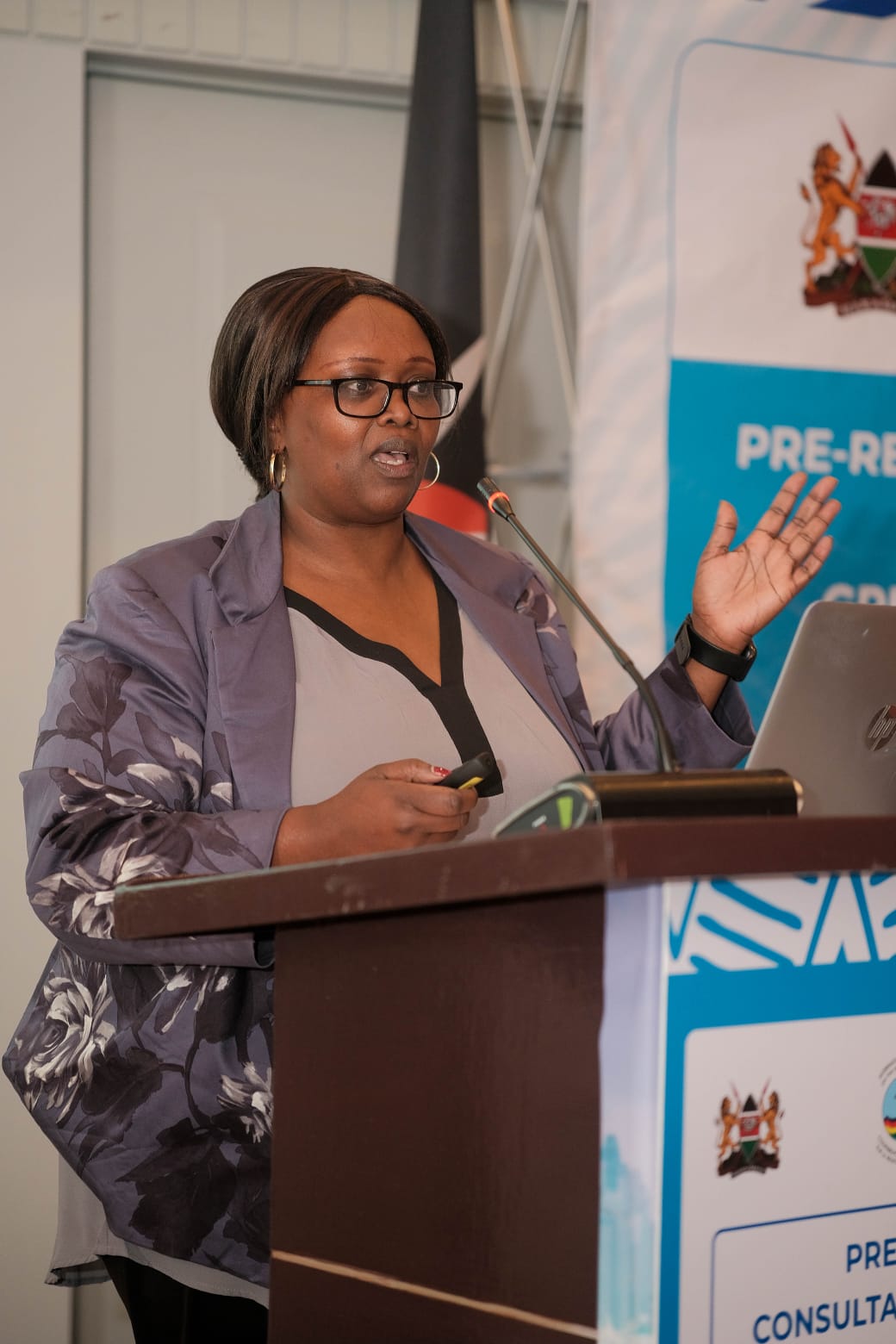
Presenting the findings, Susan Kahinga, Research Lead at Pan African Research Services Ltd (PARS), said the study demonstrates that the policy foundations for regional integration already exist. What remains, she said, is ensuring that governments implement those commitments consistently across every border post.
"The region already has strong policy frameworks to support cross-border trade. The real challenge is making sure those commitments are put into practice consistently at every border crossing. When that happens, women traders will be better positioned to grow their businesses, improve their livelihoods and contribute to stronger regional integration, economic resilience and lasting peace across the Great Lakes Region," Kahinga said.
Her remarks reflect a broader policy debate unfolding across the continent as governments seek to ensure that regional and continental trade agreements deliver tangible benefits for citizens. While frameworks such as the AfCFTA, COMESA and the EAC have significantly advanced Africa's economic integration agenda, the study suggests that their success will ultimately depend on effective implementation by national institutions responsible for managing borders and facilitating trade.
The study estimates that women account for between 70 and 85 per cent of informal cross-border traders across Rwanda, Burundi and the DRC, with participation reaching nearly 90 per cent at some border crossings in eastern DRC. Their enterprises sustain household incomes, strengthen food security, support local supply chains, generate employment and create commercial linkages that connect neighbouring economies.
Researchers also argue that women traders make an important contribution beyond commerce. By sustaining daily economic interactions across borders, they help build trust between neighbouring communities, strengthen social cohesion and reinforce peaceful coexistence in a region that continues to confront conflict, displacement and other cross-border security challenges. Supporting women-led trade, the study notes, should therefore be viewed not only as an economic priority but also as a strategic investment in peacebuilding.
More than 80 per cent of respondents reported experiencing prolonged delays at border crossings, disrupting supply chains, increasing transport costs and reducing profits, particularly for traders dealing in perishable goods. Nearly two-thirds said they had experienced confiscation of merchandise, while many cited arbitrary taxation, inconsistent customs procedures, burdensome documentation requirements and unofficial payments that discourage participation in formal trading systems.
Women interviewed during the study also reported persistent harassment, intimidation and gender-based violence while conducting business across borders. According to the researchers, these experiences undermine women's economic participation, discourage formal trade and weaken confidence in regional integration initiatives intended to simplify commerce and improve livelihoods.
The findings further reveal significant differences in the implementation of regional commitments across Rwanda, Burundi and the DRC, suggesting that the effectiveness of regional trade agreements depends less on the strength of the legal frameworks themselves than on the capacity, coordination and accountability of national institutions responsible for enforcing them.
The study recommends strengthening coordination between governments and regional organisations, harmonising customs procedures, increasing awareness of regional trade instruments, improving transparency and accountability at border posts, investing in gender-responsive border management and expanding mechanisms that protect women traders from corruption, harassment and violence.
For delegates attending the PRE-RMIC Consultative Forum, the research reinforced a message that extends well beyond women's cross-border trade. It highlighted that regional integration cannot be measured solely by the number of agreements negotiated or protocols ratified, but by their practical impact on the lives of citizens, businesses and border communities.
As the Great Lakes Region advances implementation of commitments under the AfCFTA, COMESA, the East African Community and the ICGLR, the study concludes that closing the implementation gap has become both an economic and strategic imperative. Ensuring that women traders can move goods safely, efficiently and with dignity will not only unlock greater economic opportunity but also strengthen regional resilience, deepen integration and reinforce the foundations of lasting peace across one of Africa's most strategically important regions.