
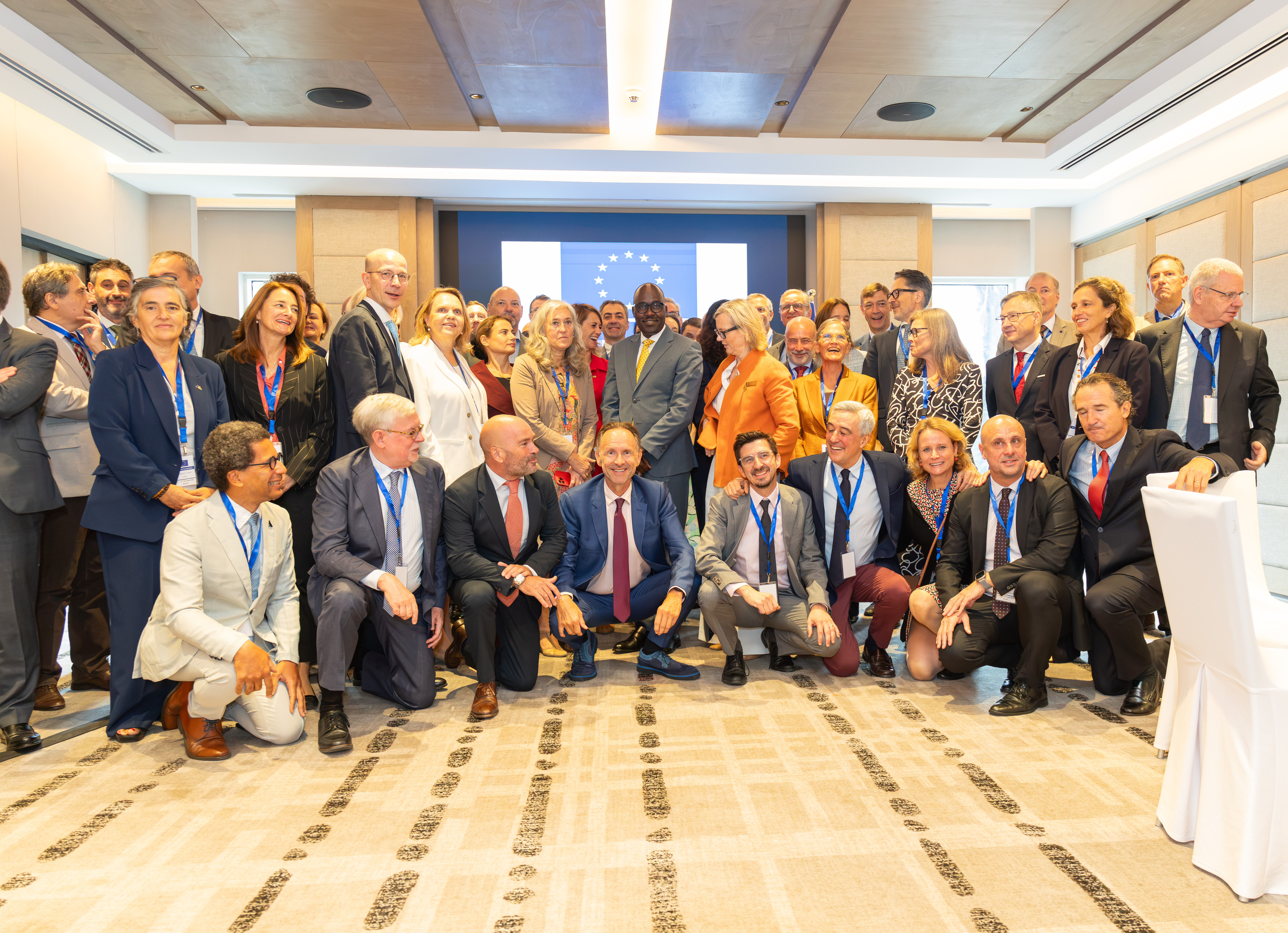
PS SING’OEI CALLS FOR DEEPER KENYA–EU COOPERATION AS NAIROBI HOSTS EU AMBASSADORS
Kenya has called for a renewed and action-oriented partnership between Africa and Europe, anchored in mutual respect, equitable cooperation and tangible outcomes for citizens, as Nairobi hosts the Regional Seminar of Heads of European Union (EU) Delegations to African countries.
Officially opening the regional seminar, Principal Secretary for Foreign Affairs, Dr. A. Korir Sing’oei, welcomed more than 40 EU Ambassadors serving across the African continent, describing their gathering in Nairobi as a reflection of Europe's recognition of Kenya's strategic importance as a diplomatic and multilateral hub.
The seminar takes place in a landmark year as Kenya and the European Union commemorate 50 years of diplomatic partnership, dating back to the establishment of the European Community Delegation in Nairobi in 1976. Over the decades, the relationship has evolved from development cooperation into a broad strategic partnership encompassing trade and investment, digital transformation, climate action, migration and mobility, governance, and peace and security.
The Principal Secretary highlighted the growing economic dividends of the relationship, noting that the EU remains Kenya's largest export market, accounting for approximately one-fifth of the country's exports. Trade has grown by approximately 20 per cent since the Economic Partnership Agreement (EPA) entered into force in July 2024, with Kenya's horticultural exports, particularly flowers, continuing to support hundreds of thousands of livelihoods.
He also underscored recent milestones, including the launch of a ten-year strategy to implement the EPA, Kenya's first Digital Dialogue with the EU in March 2026, and the designation of the EU Delegation in Nairobi as the Union's fourth Regional Hub in Africa. These developments further reinforce Nairobi's standing as a centre for diplomacy, multilateral engagement and regional cooperation.
Turning to the wider Africa–Europe relationship, Dr. Sing’oei challenged the participants to translate the commitments made at the 7th African Union–European Union Summit in Luanda in November 2025 into measurable outcomes. He identified five priority areas for deeper cooperation: trade and value addition; investment and innovative financing; peace and security; people and mobility; and climate action and multilateralism.
On trade, Kenya called for partnerships that advance Africa's industrialisation and regional integration under the African Continental Free Trade Area (AfCFTA), enabling African countries to move beyond the export of raw materials towards greater value addition and participation in global value chains.
On investment, the Principal Secretary highlighted the transformative potential of the EU's Global Gateway initiative, while emphasising the need for accessible concessional and blended financing that supports Africa's development ambitions without exacerbating debt vulnerabilities.
On peace and security, he reaffirmed Kenya's commitment to African-led solutions, recognising the importance of sustained international support for peace operations, mediation and stabilisation efforts across the continent. He also acknowledged the EU's continued support to African peace initiatives and its contribution to refugee-hosting communities in Kenya.
The Principal Secretary further called for expanded opportunities for safe, orderly and regular labour mobility, particularly for Africa's youthful population, noting that structured skills partnerships can generate mutual benefits for both continents.
On climate action, he highlighted Kenya's progress in renewable energy, with approximately 80 per cent of electricity generated from renewable sources, and called for stronger European support for climate adaptation financing and a just green transition that creates industries and opportunities in Africa.
Emphasising the importance of a balanced and forward-looking relationship, Dr. Sing’oei observed that Africa seeks partners rather than patrons, urging Europe to listen to African priorities, invest in the continent's potential and build solutions through genuine cooperation.
-End-