
Nairobi Annual Policy Dialogue Commences
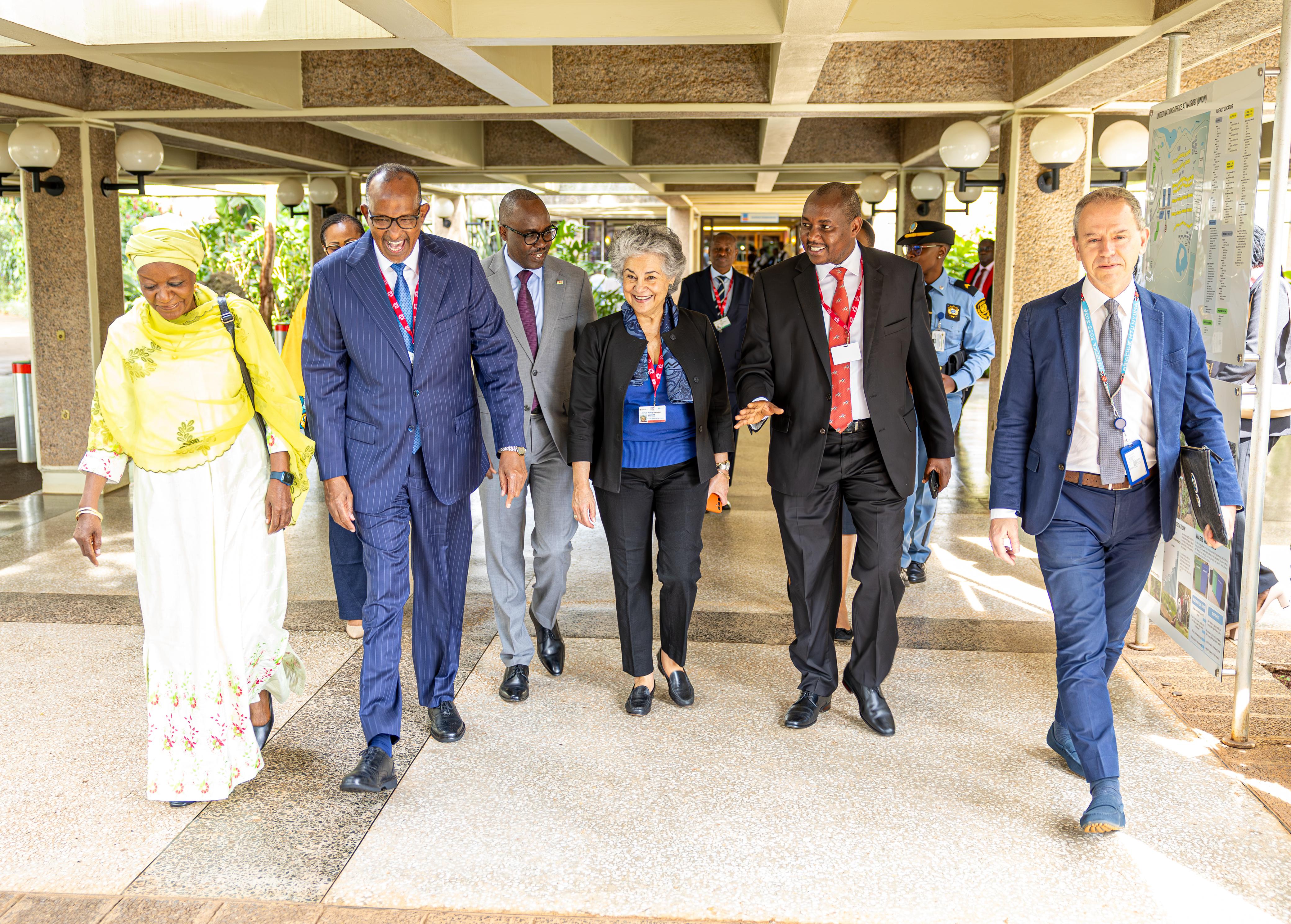
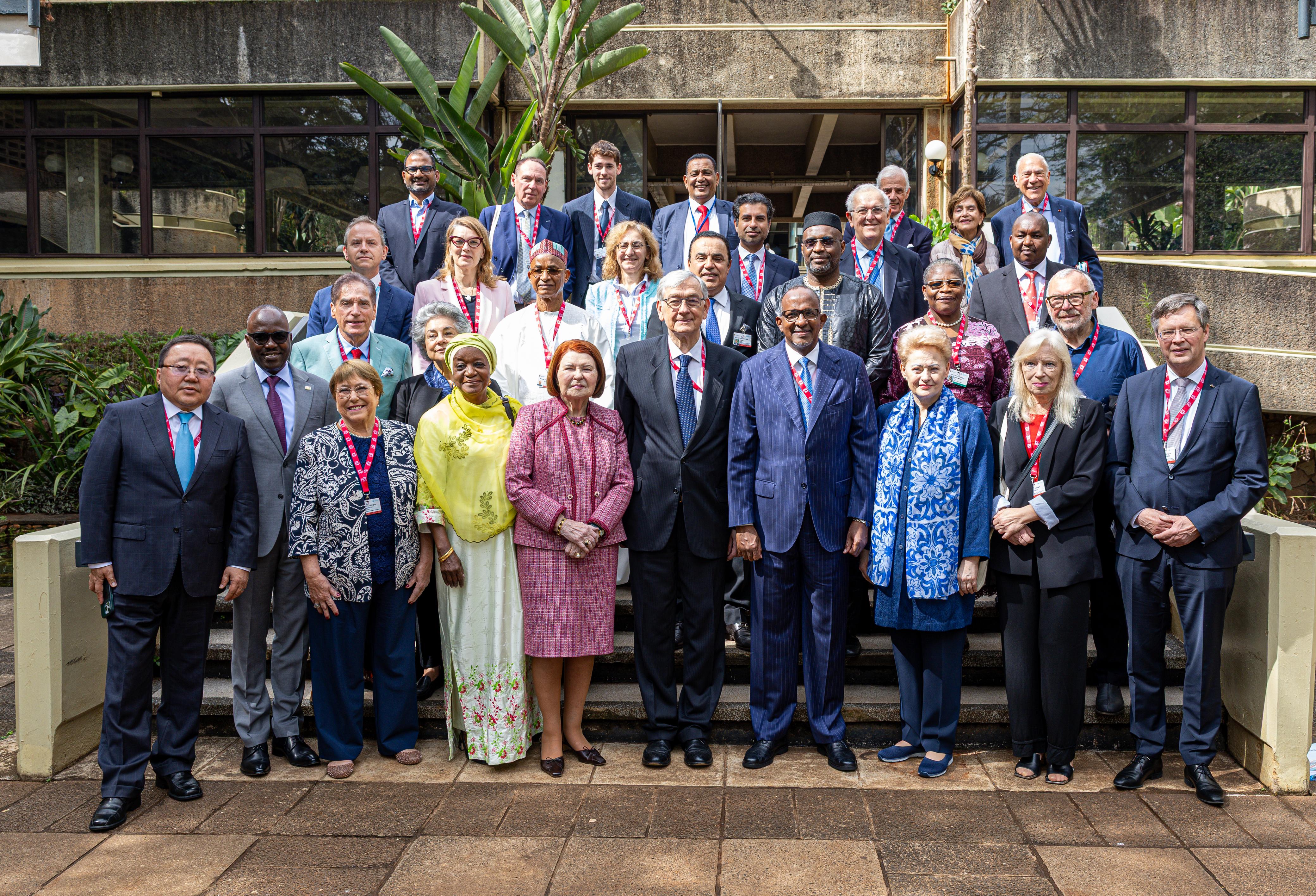
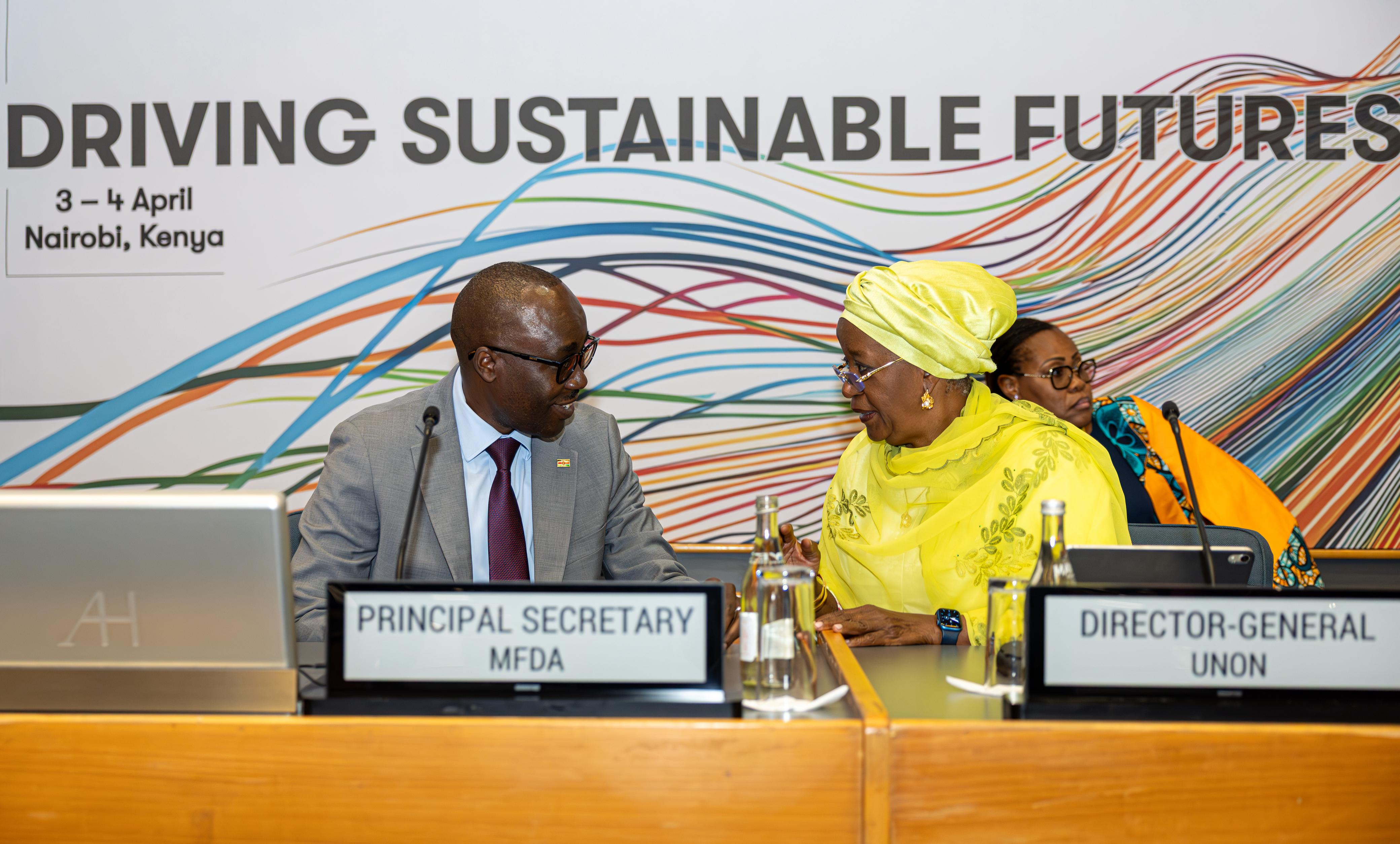
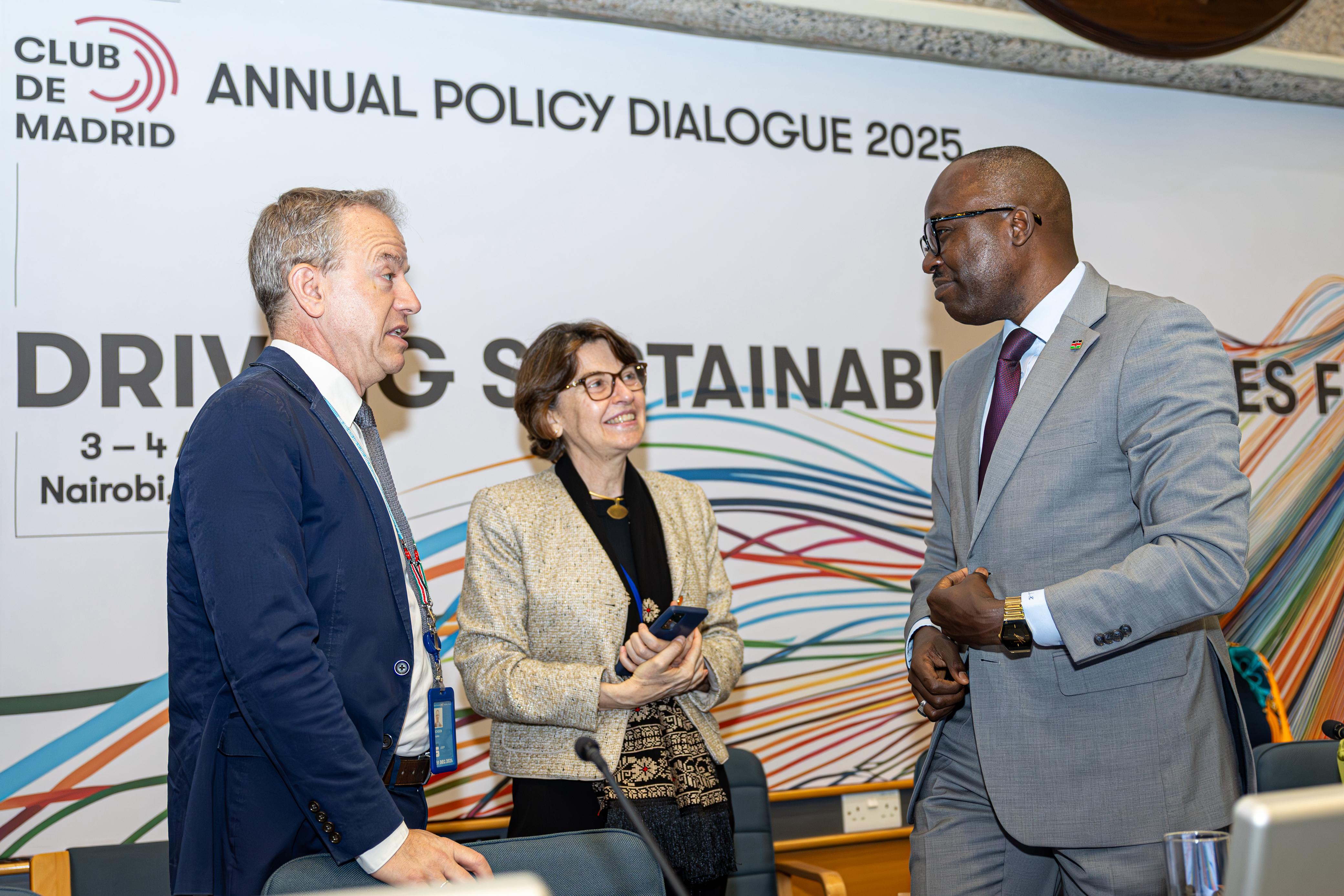
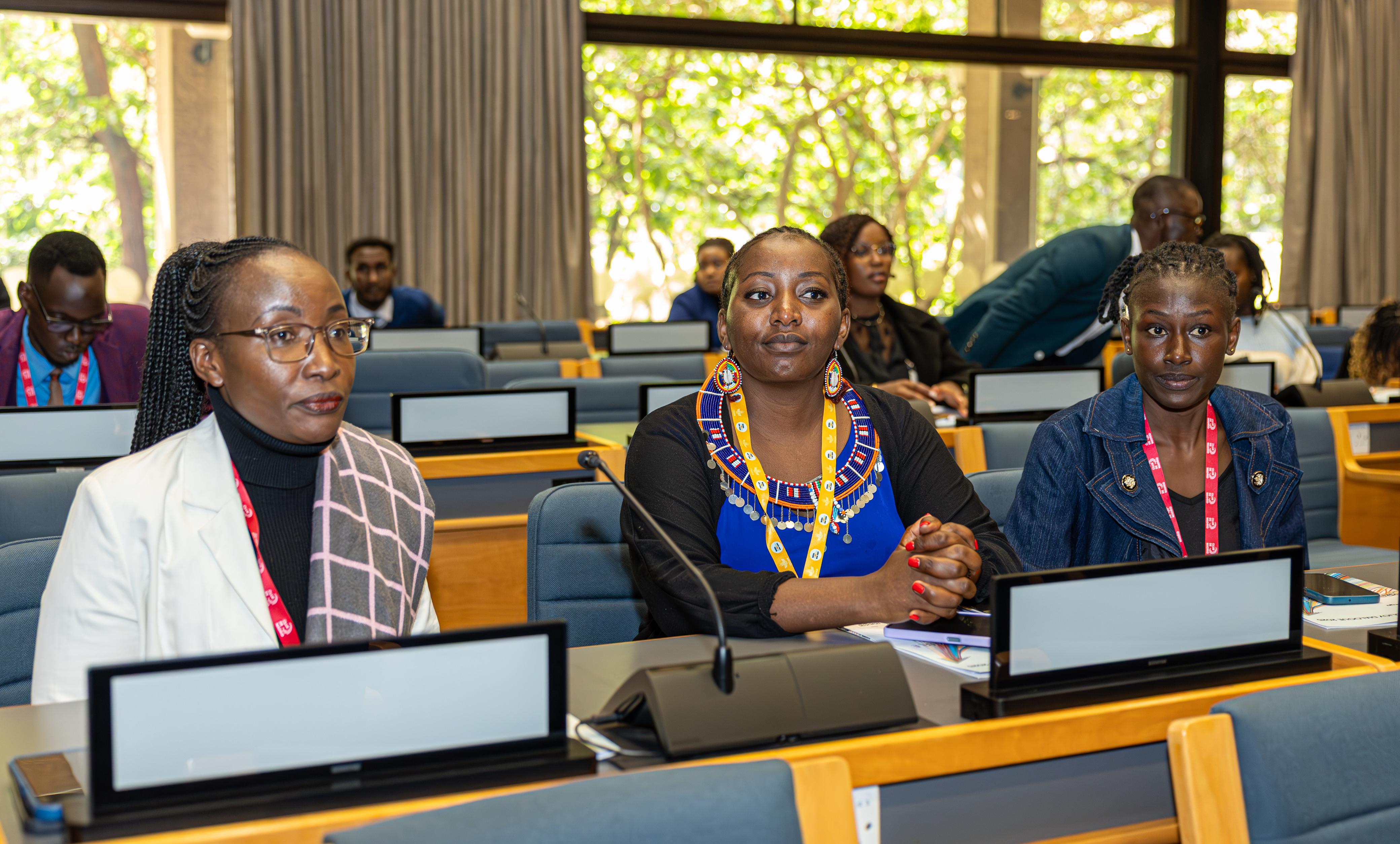
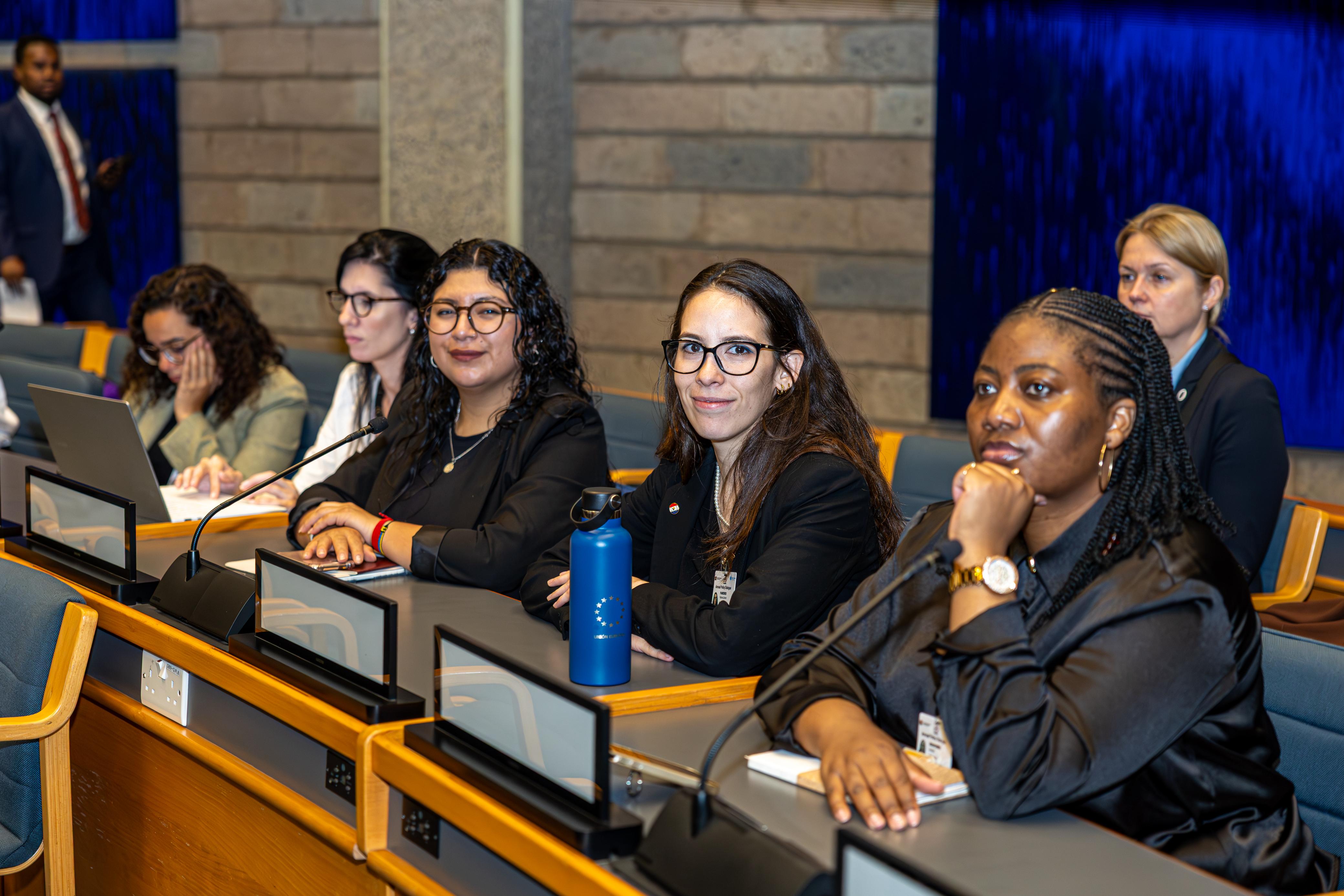
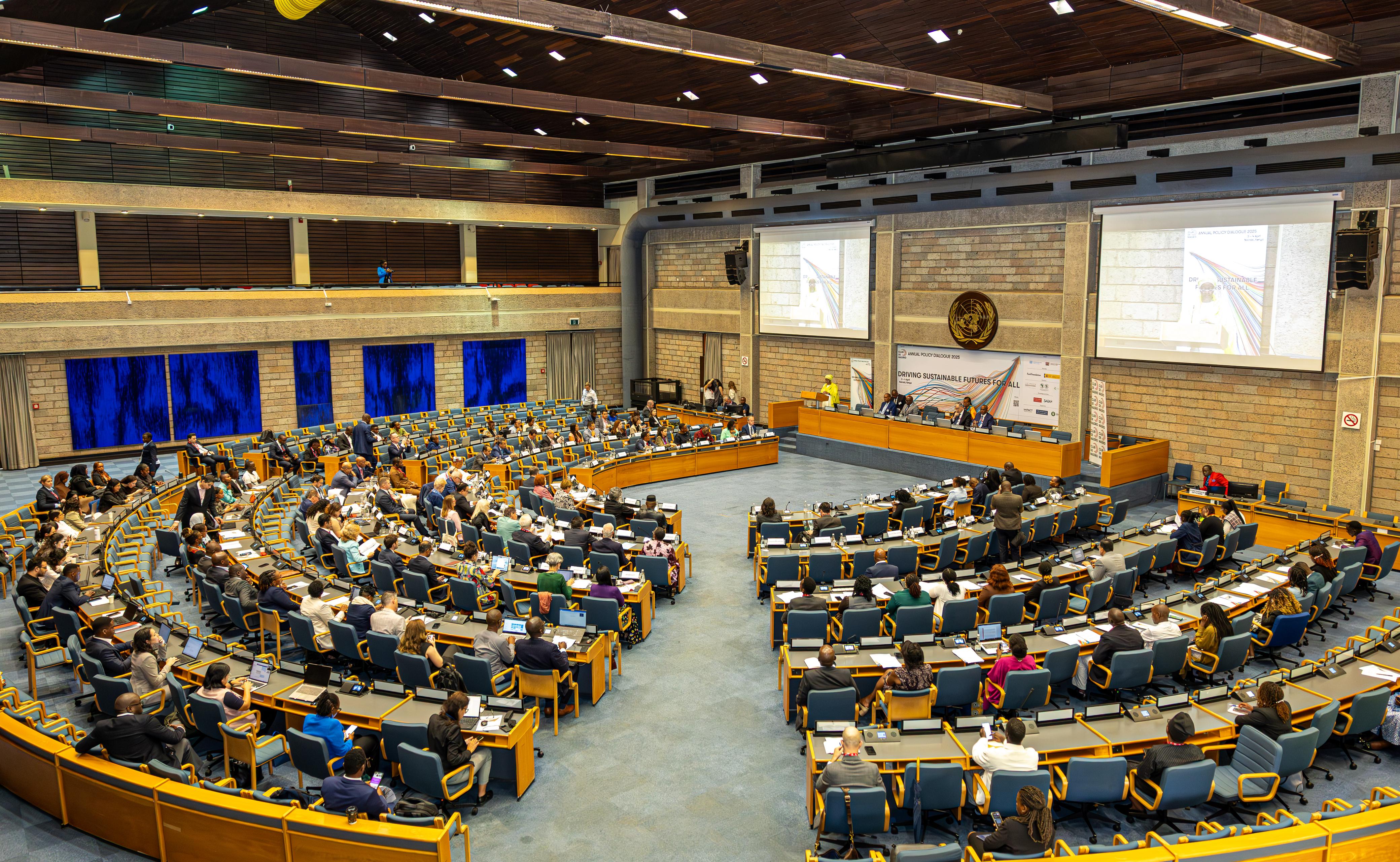
The Annual Policy Dialogue 2025 (APD25) on Financing for Sustainable Development is currently underway in Nairobi. The forum themed ‘Driving Sustainable Futures for All’ organised by Club de Madrid, United Nations and the Government of Kenya brings together former heads of state and government, international institutions, policymakers, to deliberate, shape and advocate for urgent reforms in global financial governance to ensure a more inclusive, transparent, and accountable international financial system.
The two-day APD25 Conference taking place at the United Nations Compound in Nairobi, provides a multilateral platform where decision-makers and experts will generate concrete recommendations to address taxation, debt relief, and financial system reforms aimed at shaping the future of the global economy. The APD25 Conference also seeks also to address modalities of mobilising resources, reforming systems and strengthening cooperation to deliver on the promise of sustainable development.
In his opening remarks, Secretary General of the United Nations, Antonio Guterres, on a virtual link from New York, highlighted the urgent need for resources to drive sustainable development, stating, “Our resolve to advance a better world won’t get very far without resources.” He emphasized that global cooperation was key to addressing financial inequalities and restructuring the international financial system, affirming, “Together we can demonstrate that multilateralism can deliver.”
Speaking at the United Nations Offices in Nairobi, the Cabinet Secretary for Health, Mr. Aden Duale, emphasized the urgent need for reform in global financial systems to support sustainable development, stating, “The debt servicing burden, especially in developing countries where debt has reached 55 percent of GDP, continues to hinder sustainable development and condemn millions of people to debilitating poverty.”
Cabinet Secretary Duale called for comprehensive debt relief measures, including debt servicing holidays, debt cancellation, and reforms to the global credit ratings system, to free up resources for essential services and economic growth.
Former Slovenian President (2007-2012) and current President of Club de Madrid, His Excellency President Danilo Türk, emphasized the need for reform, stating, “At the center of this challenge lies a global financial system that no longer reflects the realities of today’s world.” He stressed that the current system, designed for a different era, needed to evolve to address the complexities of modern global challenges, from climate shocks to debt distress.
President Danilo Türk observed that growing geopolitical tensions, increasing polarisation, and the erosion of trust in the institutions of multilateral cooperation continued to threaten the attainment of Agenda 2030 on Sustainable Development. The United Nations estimates that nearly 85 per cent of the Sustainable Development Goals are off track with instances of hunger, extreme poverty and inequality increasing. The global climate crisis also continues to accelerate with unprecedented floods, droughts, and heatwaves whose consequences affect the most vulnerable.
Conversations during the on-going APD25 Conference observe there exists a systemic gap in financing to meet the SDGs now estimated at over four trillion US dollars annually. Representatives from many developing countries at the APD25 Conference have argued that debt has become an unsustainable constraint; diverting resources away from essential services and long-term investment. It was further noted that many of these countries, due to indebtedness, are now lacking the fiscal space to invest in their own long-term development.
The meeting heard that while the United Nations approaches its 80th anniversary, the credibility of the multilateral system remained under intense scrutiny with the emergence of a more multipolar world offering an opportunity to broaden leadership and diversify perspectives. It was noted that the conversations from the APD25 Nairobi Conference would present remedies or solutions to shape global priorities and outcomes for the forthcoming Fourth International Conference on Financing for Development in Seville, Spain, COP30 in Brazil, the Second World Summit for Social Development, Qatar, and South Africa’s G20 foras.
Multilateral Development Banks have also been challenged to play a critical role in global transformation agenda; they are called upon to become proactive institutions that catalyse investment, support innovation, and strengthen resilience in the face of structural vulnerabilities. They have been urged to significantly increase their lending capacity, make better use of their balance sheets, and reorient concessional finance towards high-impact areas aligned with national development strategies. They have also been urged to work in closer partnership with governments, regional institutions, and the private sector, acting as enablers of sustainable investment, rather than simply providers of credit.
Delegates at the APD25 Nairobi Conference observed that while Official Development Assistance remained essential, particularly for countries facing conflict, fragility, and climate vulnerability, there was concern about the future of the assistance. It was argued that development cooperation was not a matter of discretion but rather ought to be considered a shared responsibility, and a test of credibility. Calls were made for both protection and reinforcement of development assistance.
Also present at the Annual Policy Dialogue 2025 (APD25) included Principal Secretary for Foreign Affairs, Dr. Korir SingOei, Head of UNON, Dr. Zainab Bangura, members of the Diplomatic Corp and senior officials in government.
Club de Madrid is the world’s largest forum of democratic former Presidents and Prime Ministers, who leverage their individual and collective leadership experience and global reach to strengthen inclusive democratic practice and improve the well-being of people around the world. The non-partisan and international non-profit organisation counts on the hands-on governance experience of more than 100 Members from over 70 countries, along with a global network of advisers and partners across all sectors of society to stimulate dialogue, build bridges and engage in advocacy efforts to strengthen public policies and effective leadership through recommendations that tackle challenges such as inclusion, sustainable development and peace, at the national and international levels.