
Kenya Unveils Results-Driven Foreign Service Reform Agenda to Deepen Economic Diplomacy and National Development
Kenya Unveils Results-Driven Foreign Service Reform Agenda to Deepen Economic Diplomacy and National Development
Kenya has unveiled a comprehensive results-driven reform agenda for its Foreign Service, marking a strategic shift towards performance-based diplomacy designed to strengthen institutional effectiveness, deepen international partnerships and ensure the country’s foreign policy delivers tangible benefits to citizens and the national economy.
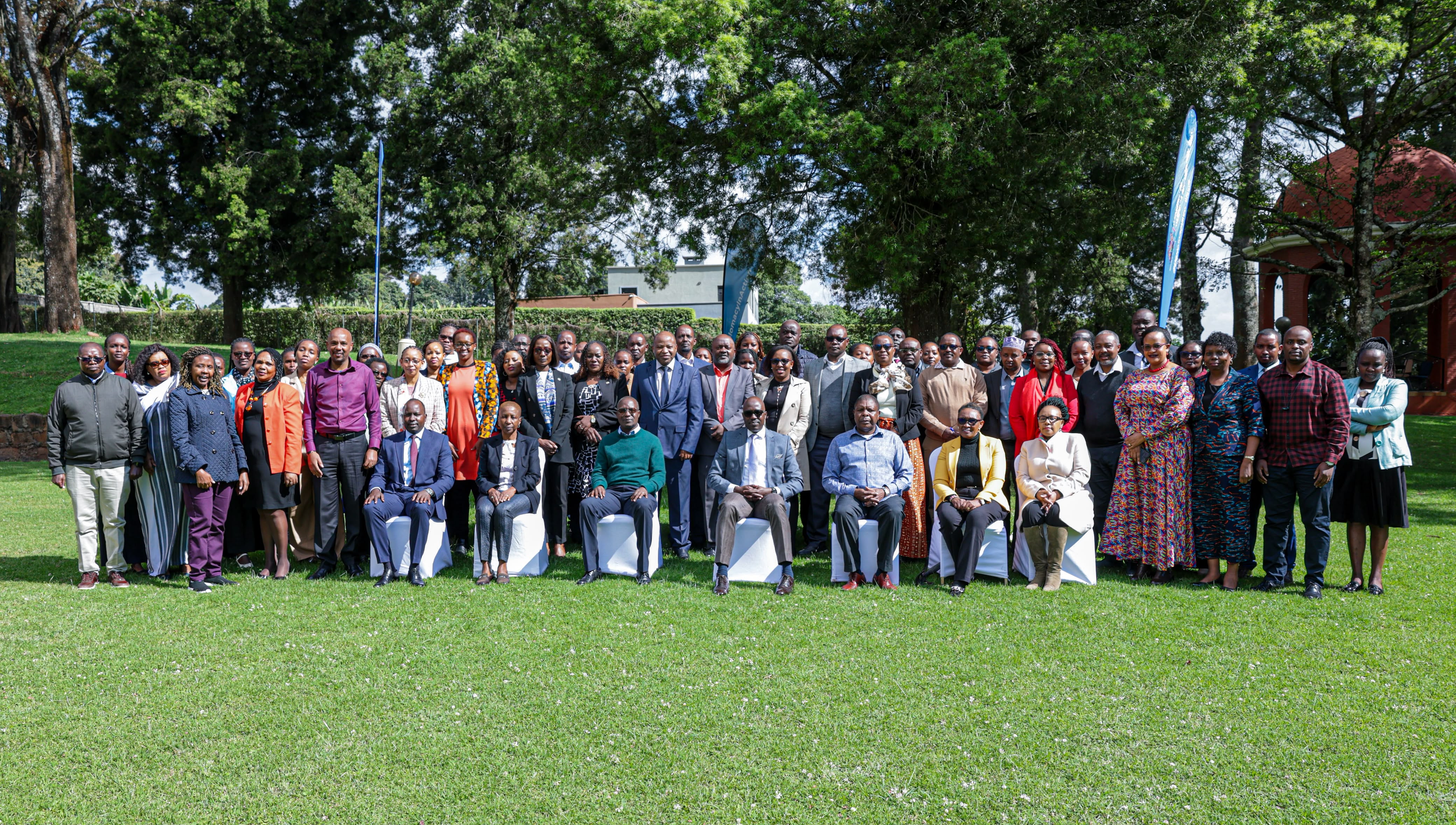
The reforms, announced by Principal Secretary for Foreign Affairs Dr. Korir Sing’Oei, at the conclusion of a three-day Senior Staff Strategic Reflective Retreat, place institutional excellence, accountability and effective implementation at the centre of the State Department for Foreign Affairs’ 2026/27 programme.
The retreat brought together the Department’s senior leadership to review institutional performance, assess emerging global and regional dynamics, identify operational challenges and agree on strategic priorities that will guide implementation over the coming financial year. Central to the discussions was the transition from measuring activities to delivering measurable outcomes, reinforcing a culture of results-based management across Kenya’s Foreign Service.
Complementing the reform agenda, the State Department also unveiled various White Papers for the 2026/27 Financial Year, providing a strategic implementation framework that aligns the Department’s work with Kenya Vision 2030, the Fourth Medium-Term Plan (MTP IV 2023–2027) and the Government’s Bottom-Up Economic Transformation Agenda (BETA).
Together, the reform agenda and the White Papers establish a coherent roadmap for strengthening institutional performance while ensuring that Kenya’s diplomatic engagements increasingly translate into meaningful national development outcomes.
“The effectiveness of Kenya’s foreign policy will ultimately be determined by the strength of the institution that implements it,” Dr. Sing’Oei said, underscoring that a professional, agile and accountable Foreign Service remains the foundation of successful diplomacy.
He observed that diplomacy today is measured not only by the quality of international engagements but also by their ability to generate practical value for citizens through stronger partnerships, expanded economic opportunities, enhanced national security and effective protection of Kenya’s interests abroad.
The reform programme seeks to strengthen coordination across Directorates, Departments and Divisions, improve collaboration between Headquarters and Kenya’s Missions abroad, institutionalise knowledge management, accelerate digital transformation and enhance strategic communication to support a modern diplomatic service capable of responding to an increasingly complex geopolitical environment.
While reaffirming Kenya’s longstanding commitment to principled diplomacy, regional peace and security, multilateral cooperation and international law, the reforms place greater emphasis on implementation, ensuring that diplomatic engagements are supported by stronger institutional systems, timely follow-up and measurable performance.
The White Papers reinforce this approach by positioning diplomacy as an important enabler of national development. They identify strategic areas through which Kenya’s international engagements can support trade and investment promotion, market expansion, labour mobility, tourism, innovation, technology cooperation and skills development while strengthening the country’s competitiveness in an evolving global economy.
Without disclosing operational policy details, the framework emphasises a more deliberate approach to translating bilateral engagements, State Visits, multilateral cooperation and international conferences into practical opportunities that contribute to economic growth, enterprise development and employment creation.
The strategy equally recognises the growing importance of strengthening Kenya’s resilience in the face of emerging global challenges, including geopolitical shifts, climate change, cybersecurity risks, health emergencies and disruptions to international supply chains through enhanced international cooperation and strategic partnerships.
Recent high-level diplomatic engagements have demonstrated the growing contribution of economic diplomacy to national development. Bilateral partnerships have expanded opportunities for technology cooperation, skills development, digital transformation and trade diversification, while Kenya’s leadership in major international forums has reinforced its position as a trusted regional and continental partner.
The propositions also underscore the strategic value of Kenya’s expanding diplomatic network in promoting economic diplomacy, improving consular services and supporting the welfare of Kenyans living and working abroad, while broadening the country’s engagement across traditional and emerging markets.
To ensure effective implementation, the State Department will develop a comprehensive action matrix outlining agreed priorities, responsible officers, timelines and reporting mechanisms. Heads of Directorates, Departments, Divisions and Units have been directed to integrate the retreat’s resolutions into Annual Work Plans, Performance Contracts and routine operations to strengthen ownership, accountability and institutional coherence.
Performance will increasingly be assessed against tangible outcomes, including stronger bilateral and multilateral partnerships, expanded economic opportunities, improved service delivery, enhanced consular support and greater effectiveness in advancing Kenya’s strategic interests internationally.
The reforms come at a time when diplomacy is increasingly evaluated by its contribution to national development, economic competitiveness and strategic influence. By strengthening institutional capacity and embedding a culture of accountability and performance, the State Department for Foreign Affairs is positioning Kenya’s Foreign Service to deliver more effective diplomacy, safeguard national interests and reinforce the country’s role as one of Africa’s leading diplomatic actors while ensuring international engagement contributes meaningfully to the country’s long-term development aspirations.