
Kenya - Morocco Relations
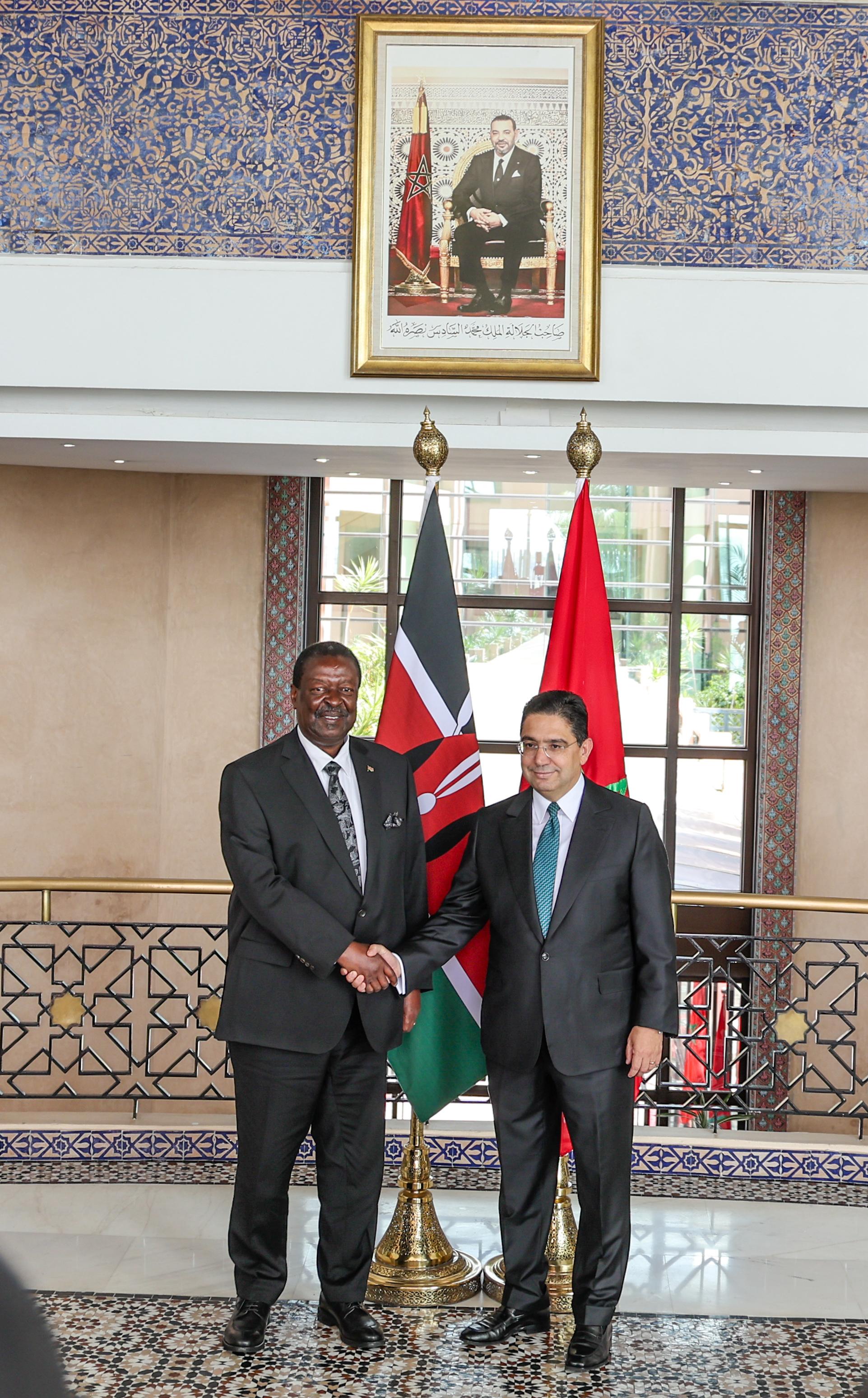
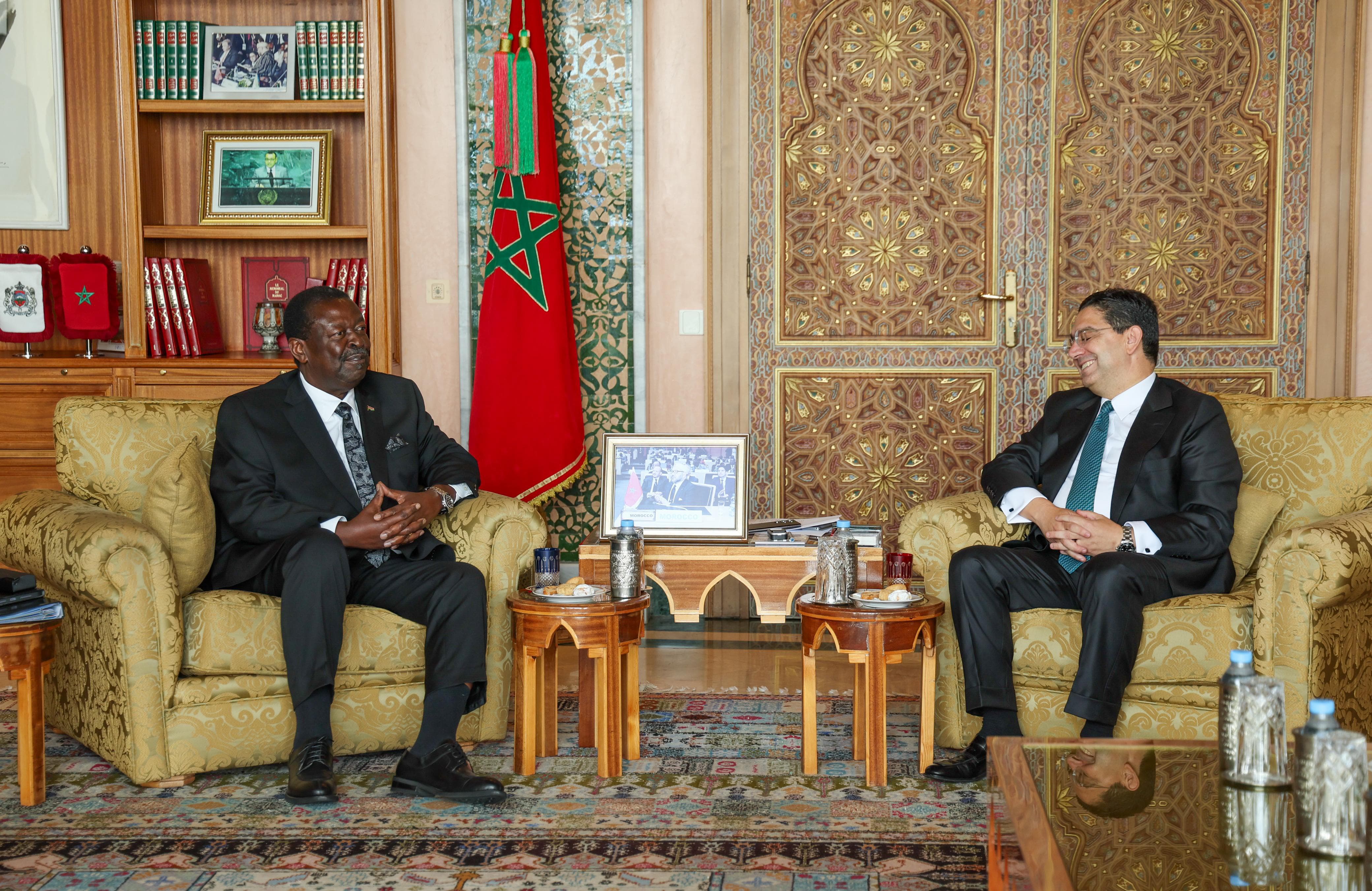
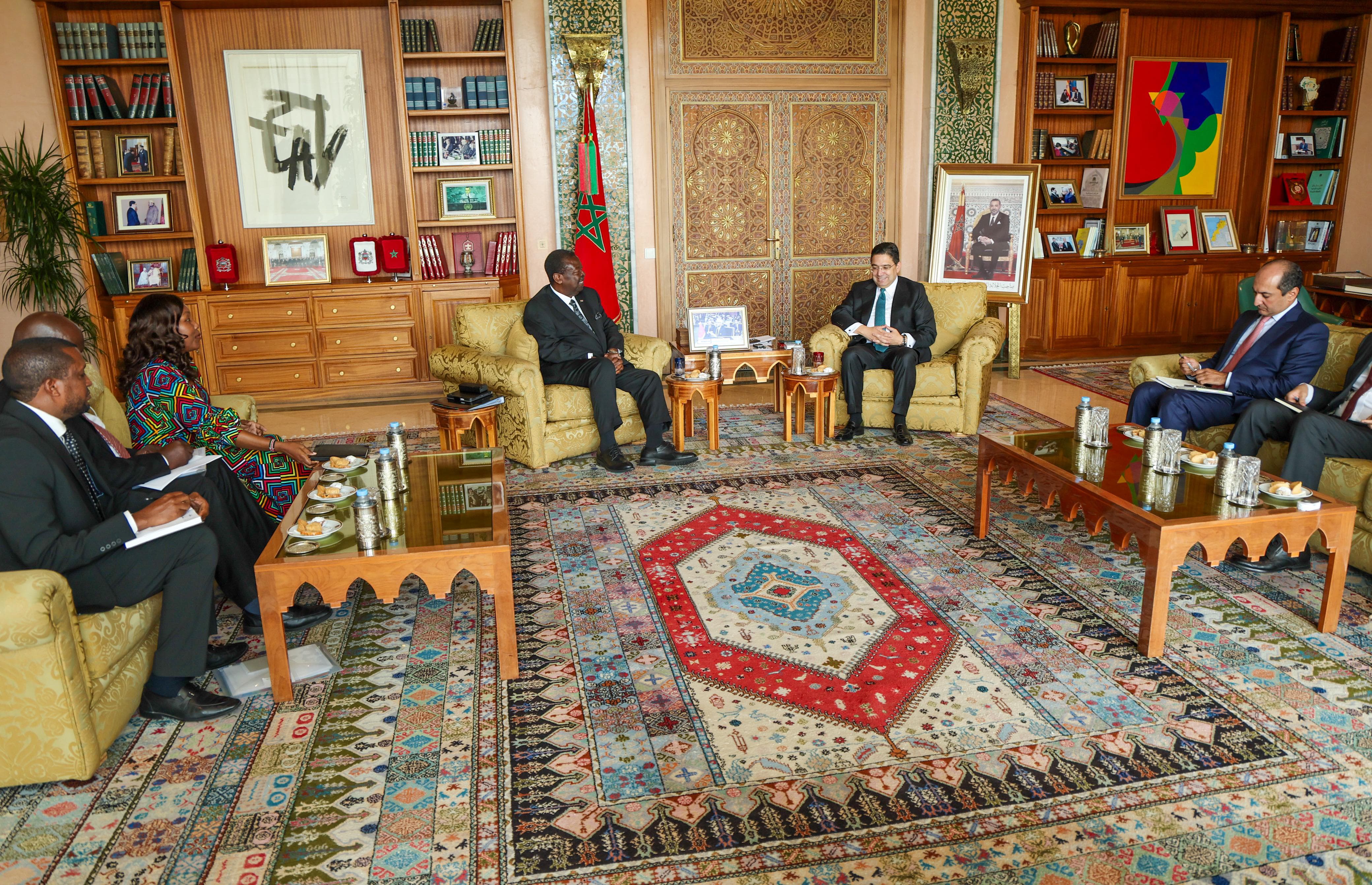
The first-ever session of the Kenya–Morocco Diplomatic Political Consultations was held earlier today between the Cabinet Secretary for Foreign and Diaspora Affairs, Dr. Musalia Mudavadi, and his host, His Excellency Nasser Bourita, Morocco’s Minister of Foreign Affairs, African Cooperation and Moroccan Expatriates.
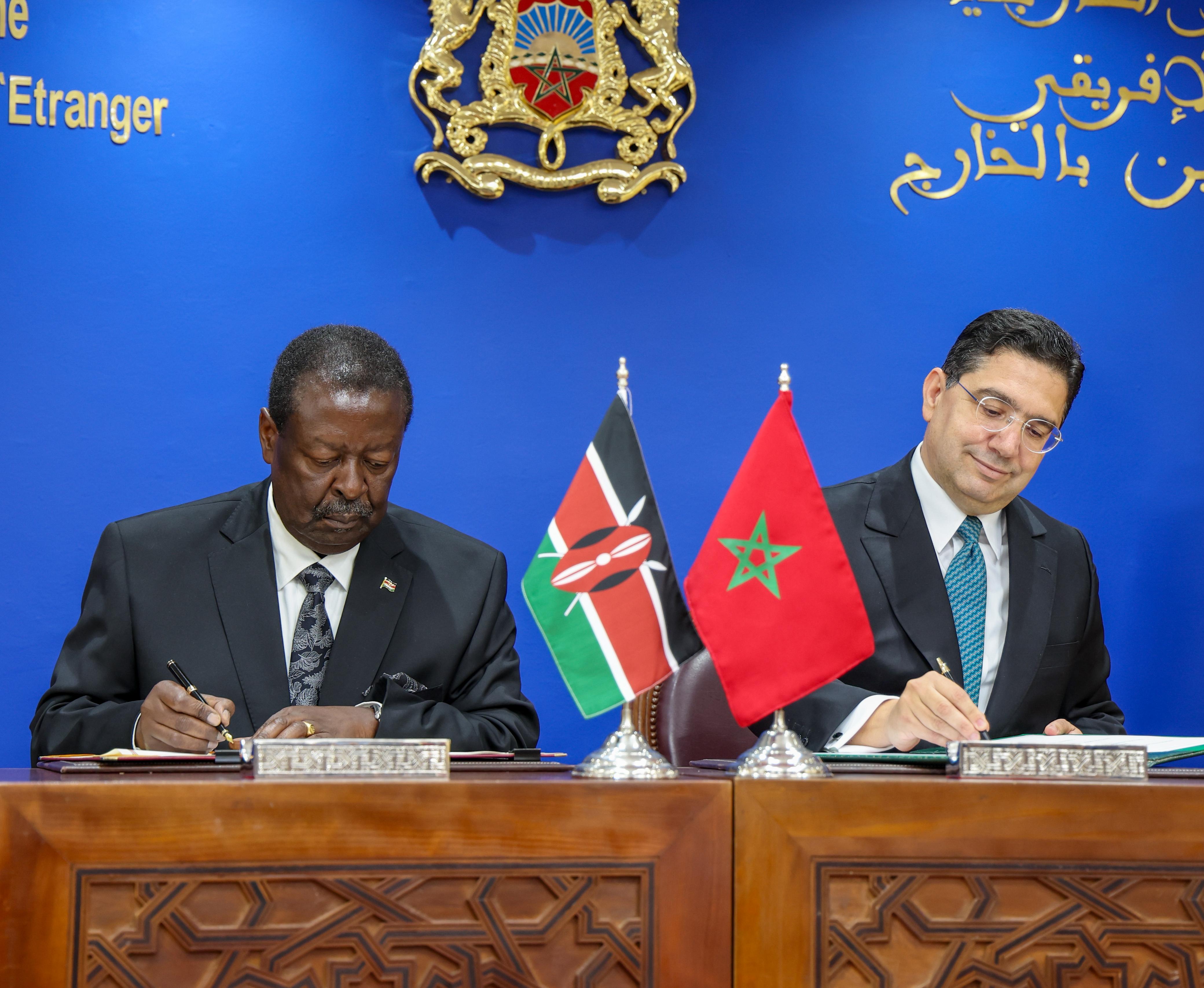
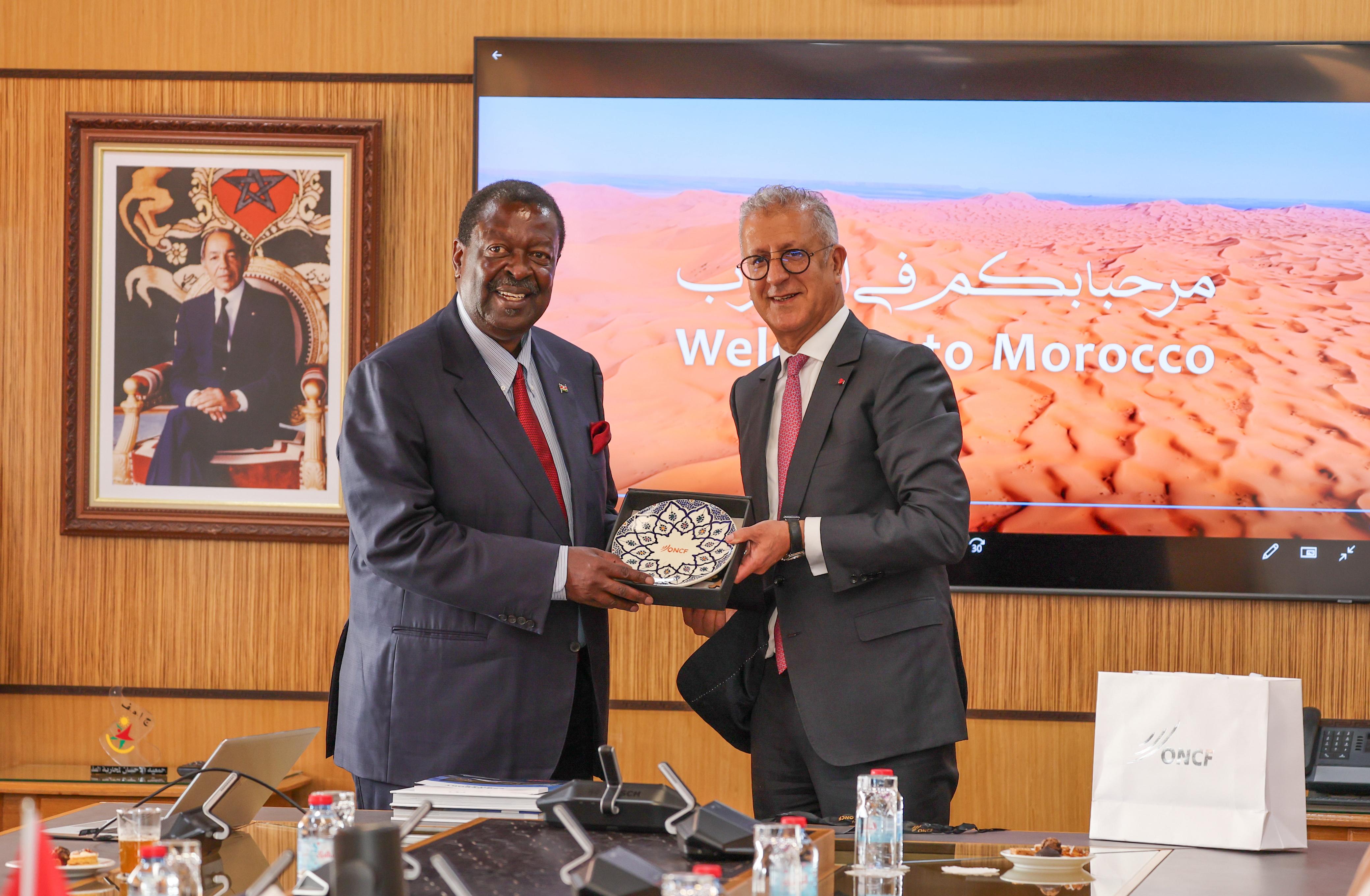
The meeting also saw the signing of five landmark Memoranda of Understanding between the two countries in the areas of Housing and Development, Trade, Youth Affairs, Foreign Service training, and institutional collaboration between the Kenya School of Government and Morocco’s National Higher School of Administration. The Cabinet Secretary for Foreign and Diaspora Affairs reaffirmed Kenya’s commitment to advancing these agreements into tangible outcomes that will drive mutual growth and regional cooperation.
During the discussions, Dr. Mudavadi championed increased Moroccan imports of Kenyan tea, coffee, and fresh produce to address the trade imbalance. The Prime Cabinet Secretary has also advocated for the expansion of scholarships for Kenyan students studying in Morocco, currently limited to 20, and proposed the recruitment of Kenyan teachers to meet the growing demand for English language instruction in the Kingdom.
Also discussed during the talks was the need to convene the Joint Permanent Commission for Cooperation (JPCC) as a pivotal and strategic initiative to broaden the spectrum of bilateral engagements while deepening collaborative efforts across various domains including but not limited to Transport, Housing, Defence, Education, Capacity Building, Trade, Investment, Agriculture, Tourism, and Energy.
The two countries have committed to strengthen economic cooperation through sharing of trade-related information, the promotion of private sector collaboration and the facilitation of business exchanges and joint marketing initiatives. Kenya commended Morocco for ratifying the African Continental Free Trade Area (AfCFTA) Treaty whose operationalization heralds a transformative era of preferential trade and expands market access for the two countries. The two countries going forward, have consented to modalities for establishing robust Legal Framework for Investment Promotion and Protection; organizing a Kenya–Morocco Business Forum to enhance Trade and Enterprise; and improving Air and Maritime connectivity.
The Kenyan Embassy in Rabat is symbolic of the diplomatic ties between the two countries that date back to 1965 and signifies a renewed chapter anchored in shared aspirations and deepened by the bonds of history, cooperation, and mutual respect.
Under the leadership of Ambassador Jessica Gakinya, the Embassy is expected to be a one-stop hub for strengthening bilateral relations and advancing Kenya’s strategic interests in North Africa. The Embassy will not only serve as a symbol of friendship, but also as a vital instrument for advancing our shared goals, deepening people-to-people engagement, fostering economic opportunity while unlocking opportunities for trade and investment, and promoting regional peace and prosperity.
Morocco presents as Africa’s fifth largest economy by GDP with diverse portfolios in manufacturing, mining, renewable energy, and logistics, underpinned by its strategic geographic location and strong ties with the EU, its largest trading partner. It is also the world’s third-largest producer of phosphates.
Kenya’s principal exports to Morocco include tea, coffee, edible fruits, and vegetables, while Morocco exports fertilizers and aircraft parts to Kenya. In 2024, Kenyan exports were valued at Kshs. 630 million with imports, largely consisting of fertilizers, valued at Kshs. 8 billion.
Meanwhile, the conclusion of the Prime Cabinet Secretary’s high-profile visit to the Kingdom of Morocco remains a strategic engagement signals a bold new chapter in Kenya-Morocco relations, paving the way for deeper economic cooperation, enhanced trade, and stronger diplomatic ties.
Besides the official inauguration of Kenya’s Embassy in Rabat by Dr. Mudavadi, the Cabinet Secretary for Foreign and Diaspora Affairs engaged in high-level discussions with Moroccan leaders, including Hon. Ryad Mezzour, Minister of Industry and Trade, and other key stakeholders.
“This visit is about more than just diplomacy—it’s about building a future of shared prosperity for our nations,” Dr. Mudavadi affirmed, outlining Kenya’s vision for a strategic partnership that unlocks opportunities in trade, investment, and cultural exchange.
Trade talks took center stage, as Dr. Mudavadi sought to rebalance the scales between the two nations. Kenya currently imports over KSh 12 billion worth of fertilizers and commodities from Morocco, while exports—mainly tea and coffee—lag at KSh 500 million. Both sides agreed to practical strategies for increasing Kenya’s exports, including the anticipated resumption of direct flights between Nairobi, Rabat, and Casablanca—a move set to supercharge trade and tourism.
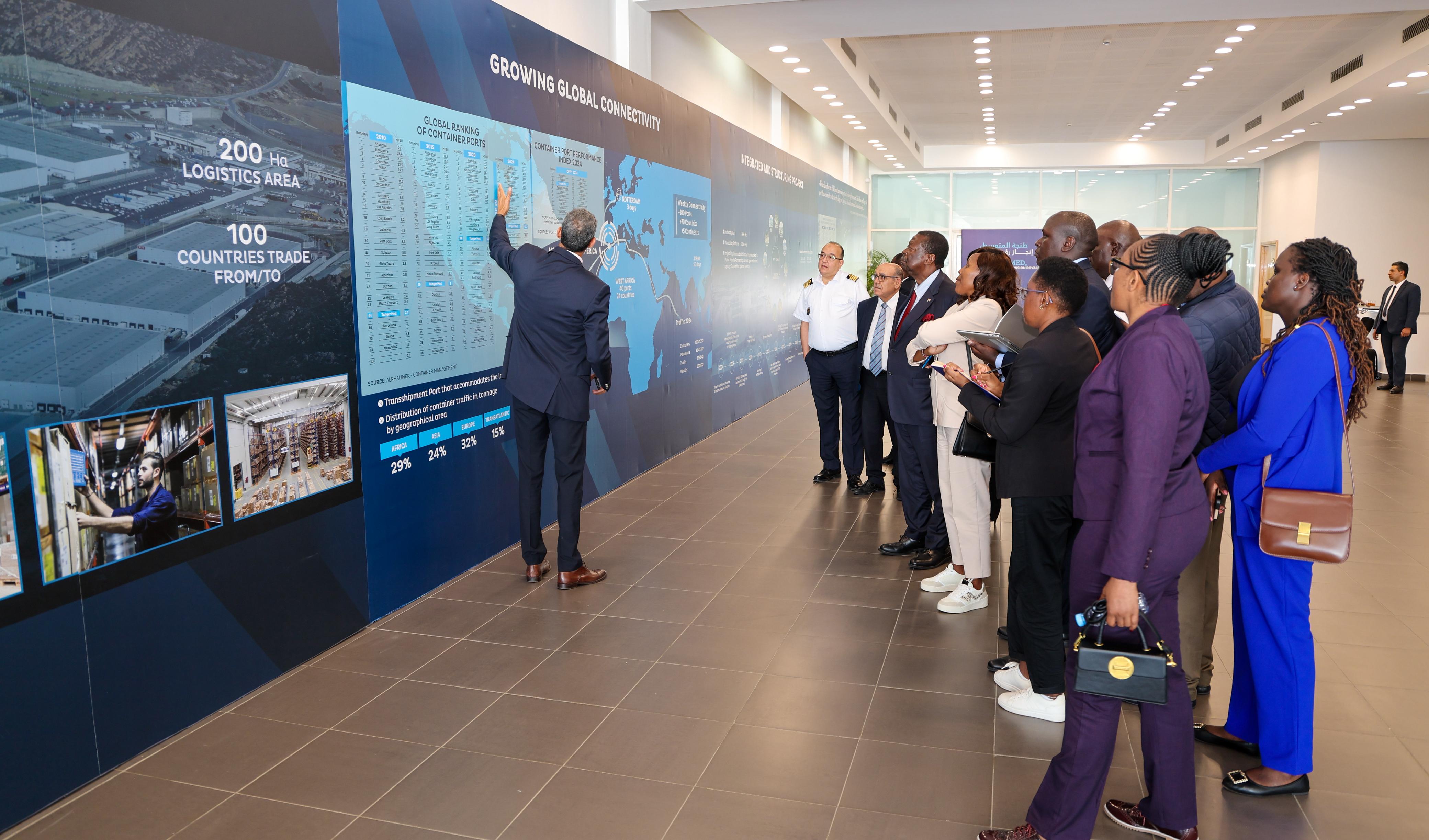
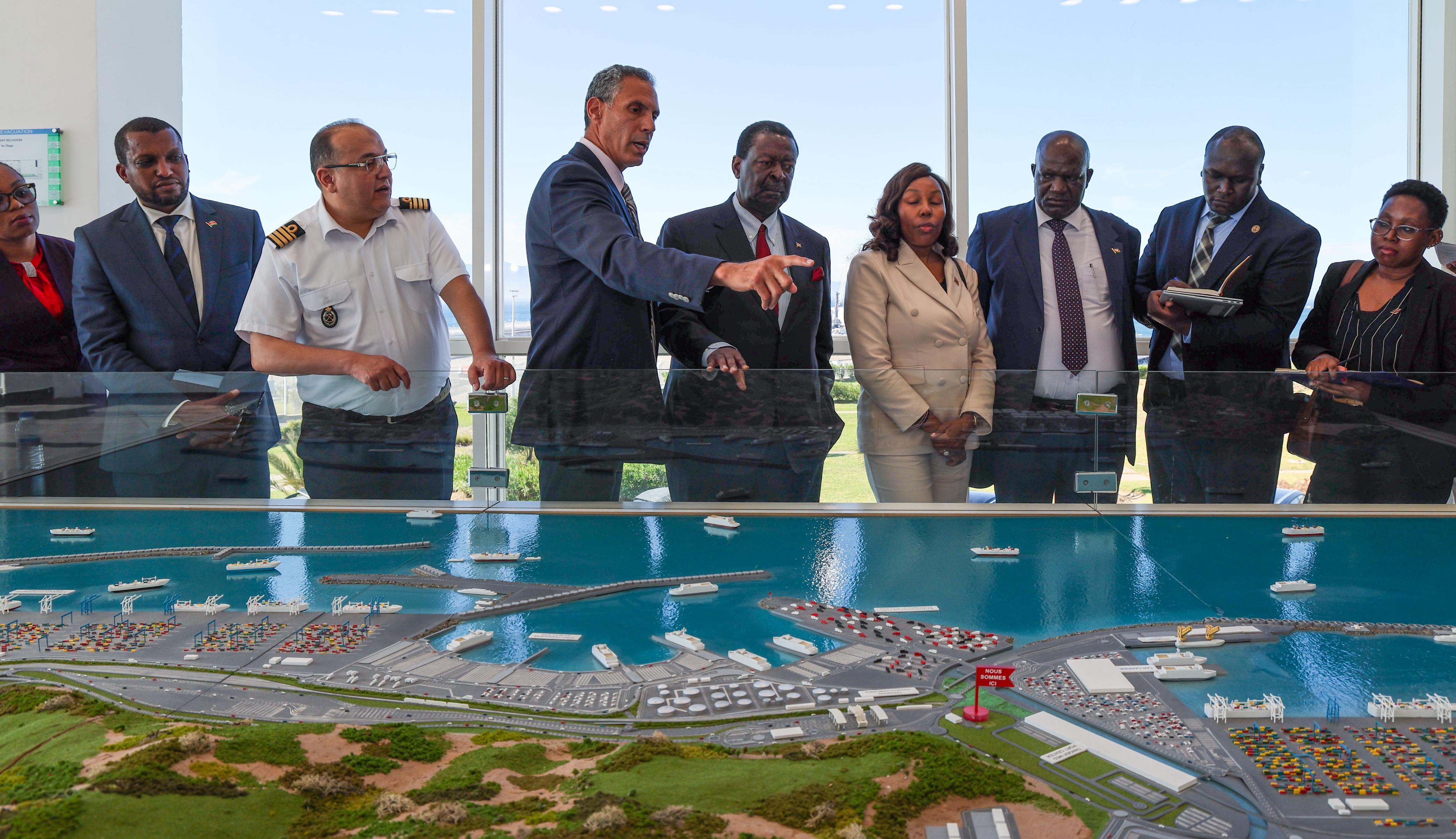
Kenya’s engagement also opens doors for cooperation in infrastructure development, inspired by Morocco’s world-class ports and high-speed rail systems. Discussions are underway on joint projects in port and rail modernization, promising a ripple effect on regional connectivity and commerce.
The visit was not just about policy, Kenyan athletes stole the spotlight at the Rabat Wanda Diamond League, with Beatrice Chebet, Nelly Chepchirchir, and Ferdinand Omanyala showcasing Kenya’s athletic prowess on the global stage in an event attended by the Prime Cabinet Secretary. Their victories served as a cultural bridge, strengthening the bonds between the two nations.
Dr. Mudavadi also used the platform to champion Africa’s voice in global governance. In his address during Africa Day celebrations in Morocco, he called for urgent reforms to the UN Security Council, advocating for Africa’s permanent seat in line with the Ezulwini Consensus and Sirte Declaration.
Kenya’s agricultural ambitions also received a boost as Dr. Mudavadi explored a partnership with Morocco’s Office Chérifien des Phosphates (OCP) to establish a fertilizer blending plant in Kenya. This initiative is set to lower input costs, boost yields, and support Kenya’s food security agenda.
Dr. Mudavadi’s successful mission has set the stage for a new era of Kenya-Morocco collaboration. With plans for Moroccan Prime Minister Aziz Akhannouch to visit Kenya, the partnership promises to deliver mutual benefits in trade, education, technology, and more.