
Kenya Calls for Predictable, Sustainable Financing of the UN Development System
Kenya Calls for Predictable, Sustainable Financing of the UN Development System
Kenya has called for predictable, flexible and sustainable financing of the United Nations Development System (UNDS), warning that declining resources threaten the delivery of development, humanitarian and peace building assistance to the world’s most vulnerable communities.
Speaking at the launch of the Financing the UN Development System Report 2026, titled “Keeping the Promise,” at the United Nations Office at Nairobi (UNON), the Deputy Director-General for Multilateral Affairs, Ambassador Njambi Kinyungu, reaffirmed Kenya’s commitment to effective multilateralism. She represented the Principal Secretary for Foreign Affairs.
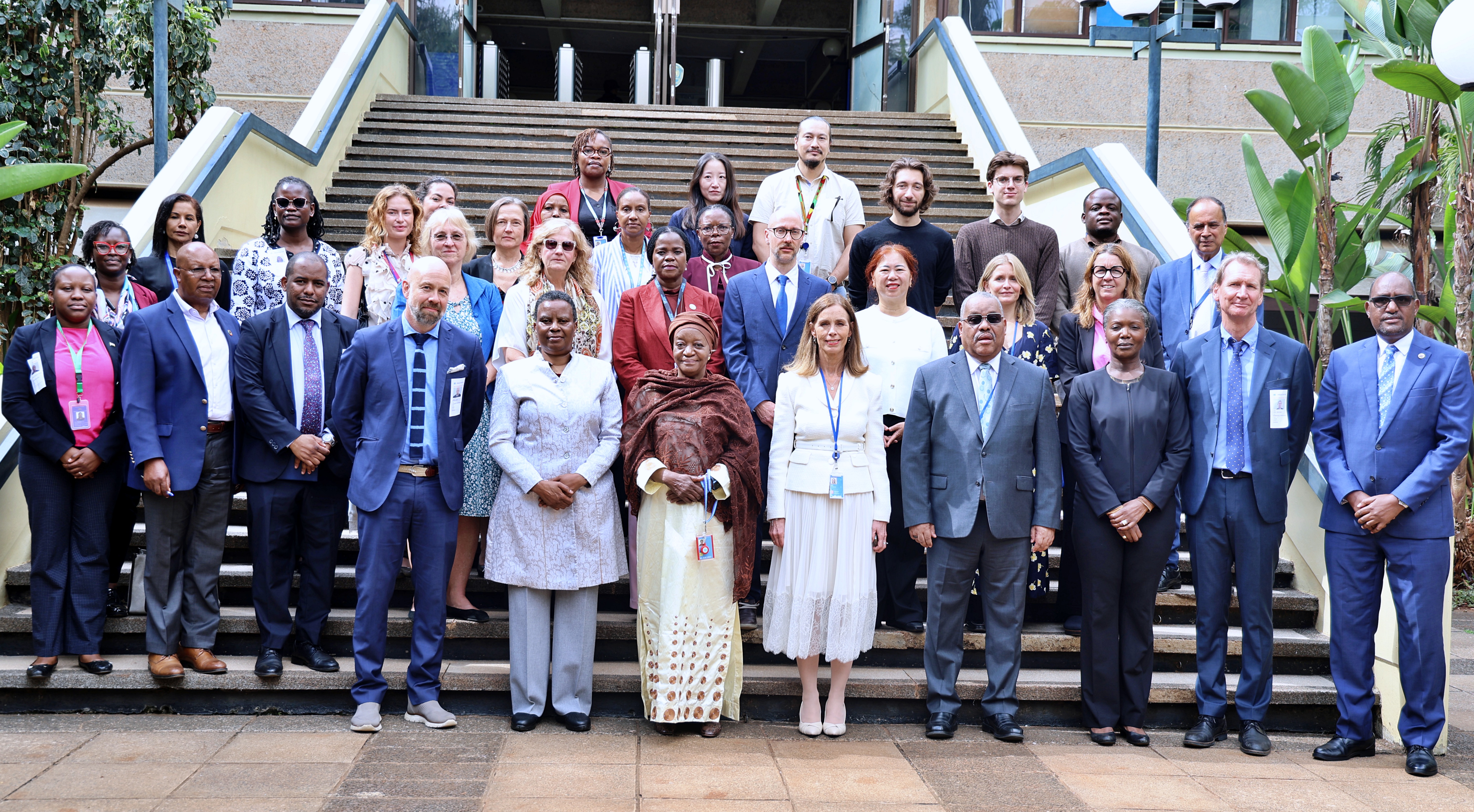
The event was co-hosted by Kenya and Norway. It brought together senior United Nations officials, members of the diplomatic corps, representatives of the Dag Hammarskjöld Foundation and development partners to examine global financing trends and their implications for sustainable development.
Ambassador Kinyungu expressed concern over declining Official Development Assistance (ODA), reduced voluntary contributions and mounting financial constraints that limit the UN’s capacity to deliver essential services, particularly in developing countries. She said these pressures directly affect communities that depend on multilateral support for healthcare, food security, climate resilience and humanitarian assistance. She cited the UN’s role in responding to crises in Pakistan, Saint Vincent and the Grenadines and the Democratic Republic of the Congo, as well as its continued support for Kenya’s national development priorities.
On UN reform, the Deputy Director-General said financial pressures should not by themselves determine the restructuring of the Organization. She called for reforms that are deliberate, transparent, evidence-based and led by Member States, to strengthen operational effectiveness and the delivery of agreed mandates.
Kenya also backed a stronger post-2027 UN Funding Compact promoting predictable, flexible and multi-year financing, greater accountability, improved coordination and enhanced support for Resident Coordinators and UN Country Teams. Ambassador Kinyungu stressed the need to align UN financing with national development priorities and to deepen partnerships with international financial institutions, development partners and the private sector.
She added that any decision on relocating or decentralizing UN functions should take into account operational effectiveness, geographical balance and the strategic importance of established UN hubs, including Nairobi. She further urged Member States to meet their financial obligations through the full, timely and unconditional payment of assessed contributions, noting that institutional reforms and innovative financing cannot replace sustained financial commitment.
In her opening remarks, the UNON Director-General, H.E. Zainab Hawa Bangura, pointed to the widening financing gap for the Sustainable Development Goals, estimated at over USD 4 trillion. She called for increased resource mobilization, stronger international cooperation and greater representation of developing countries in global financial institutions.
Presenting the report’s findings, representatives of the Dag Hammarskjöld Foundation described a dual financing crisis facing the UN, marked by declining resources and heavy reliance on earmarked funding, which limits flexibility and contributes to institutional fragmentation. The presentations also identified gaps in implementing the UN Funding Compact, underscoring the need for stronger accountability, improved parliamentary engagement and more financing for coordinated country-level programmes.
Norway’s Ambassador to Kenya, H.E. Siv Cathrine Moe, emphasized the importance of predictable, flexible and multi-year financing, particularly core and pooled contributions, alongside stronger transparency, accountability and results-based reporting.
Discussions at the launch underscored the need for coordinated reforms that improve institutional efficiency, safeguard critical development functions and ensure that financing delivers tangible benefits to communities.
Kenya reaffirmed its readiness to work closely with the United Nations, Member States and development partners to strengthen the UN financing architecture, safeguard Nairobi’s strategic position as a major UN hub and accelerate progress towards the Sustainable Development Goals.