
Kenya Mounts Strategic Push for Justice Njoki Ndung’u’s ICC Bid
Kenya Mounts Strategic Push for Justice Njoki Ndung’u’s ICC Bid
Kenya has launched a coordinated diplomatic campaign to secure the election of Njoki Ndung’u as a judge of the International Criminal Court, signalling both confidence in her credentials and a broader ambition to deepen the country’s influence within global legal institutions.
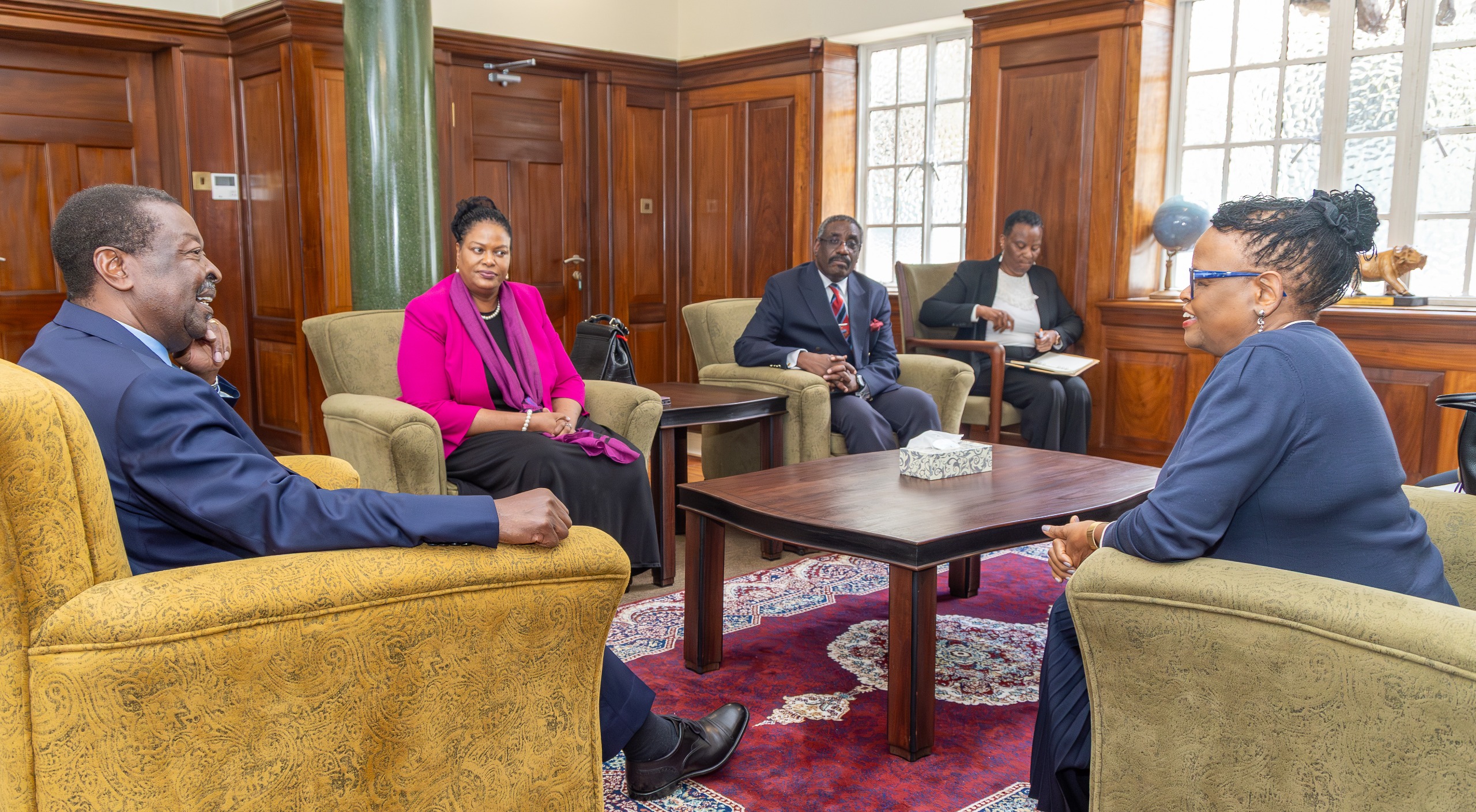
Prime Cabinet Secretary and Foreign Affairs Minister Musalia Mudavadi confirmed that the government has fully endorsed Justice Ndung’u’s candidacy, describing it as a nationally backed effort with the support of William Ruto and the Cabinet. Speaking after consultations with Martha Koome and Justice Ndung’u, Mudavadi emphasised that Kenya is not leaving the outcome to chance, but instead pursuing a deliberate, structured campaign.
At the heart of this effort is a multi-agency strategy bringing together the Judiciary, the Ministry of Foreign and Diaspora Affairs, and Kenya’s diplomatic missions abroad. The goal is to translate Kenya’s judicial reputation into tangible electoral support ahead of the ICC vote scheduled for December 2026 in New York, where six judges will be elected by the Assembly of States Parties.
Justice Ndung’u enters a crowded and highly competitive field. By late March, 15 candidates including eight from Africa had expressed interest in the six available positions. With the nomination deadline set for April, the race is expected to intensify, placing a premium on diplomatic outreach, coalition-building, and strategic lobbying.
Mudavadi indicated that Kenya has already begun laying the groundwork for this effort, developing a campaign framework designed to secure commitments from voting states well ahead of the election. A dedicated committee of key stakeholders will oversee messaging, engagement, and coordination across regions.
“We intend to run a robust, disciplined campaign that ensures victory,” he said, underscoring the importance of early and sustained diplomatic engagement.
Central to Kenya’s pitch is the international standing of its Judiciary. Mudavadi highlighted its independence and growing global respect as critical assets in positioning Justice Ndung’u as a credible and compelling candidate.
Chief Justice Martha Koome reinforced this narrative, framing Ndung’u’s candidacy as Kenya’s contribution to global justice. She noted that Kenya’s past engagement with the ICC has helped shape international jurisprudence, adding weight to the country’s claim to leadership within the institution.
“Kenya is offering one of its finest jurists to the world,” Koome said, urging the government to fully deploy its diplomatic networks to support the campaign.
Beyond external lobbying, Mudavadi stressed the importance of internal cohesion. He called on political leaders, the media, and the public to rally behind Ndung’u, warning that domestic divisions could undermine Kenya’s chances on the international stage.
“This is not the time for political games. We must present a united front and speak with one voice,” he said.
This appeal reflects a broader understanding that ICC elections are as much about perception and credibility as they are about qualifications. A fragmented domestic narrative could weaken Kenya’s diplomatic messaging and erode confidence among voting states.
Justice Ndung’u herself framed her candidacy as both a personal and national responsibility, emphasising the opportunity to project Kenya’s values and legal expertise globally.
“My election would not just be a personal achievement, it would be a reflection of Kenya’s place in the international legal order,” she said, pledging to represent the country with distinction.
Kenya’s campaign for the ICC seat goes beyond a single appointment. It is a test of the country’s ability to mobilise its diplomatic machinery, align its institutions, and convert soft power, such as judicial credibility, into concrete international influence.
If successful, Ndung’u’s election would reinforce Kenya’s standing as a key player in global governance and international law. If not, it will still offer lessons on the evolving dynamics of multilateral diplomacy and the level of coordination required to win in competitive global arenas.
Either way, the campaign marks a shift toward a more intentional and strategic use of diplomacy, one that blends national unity, institutional strength, and targeted international engagement in pursuit of global leadership.